
What Online Gaming Map Makers Teach About Whose Place Names Get Remembered
Every game map is covered in names: rivers, hills, settlements, regions, each labelled by someone who decided what to call it. Those choices are rarely neutral.
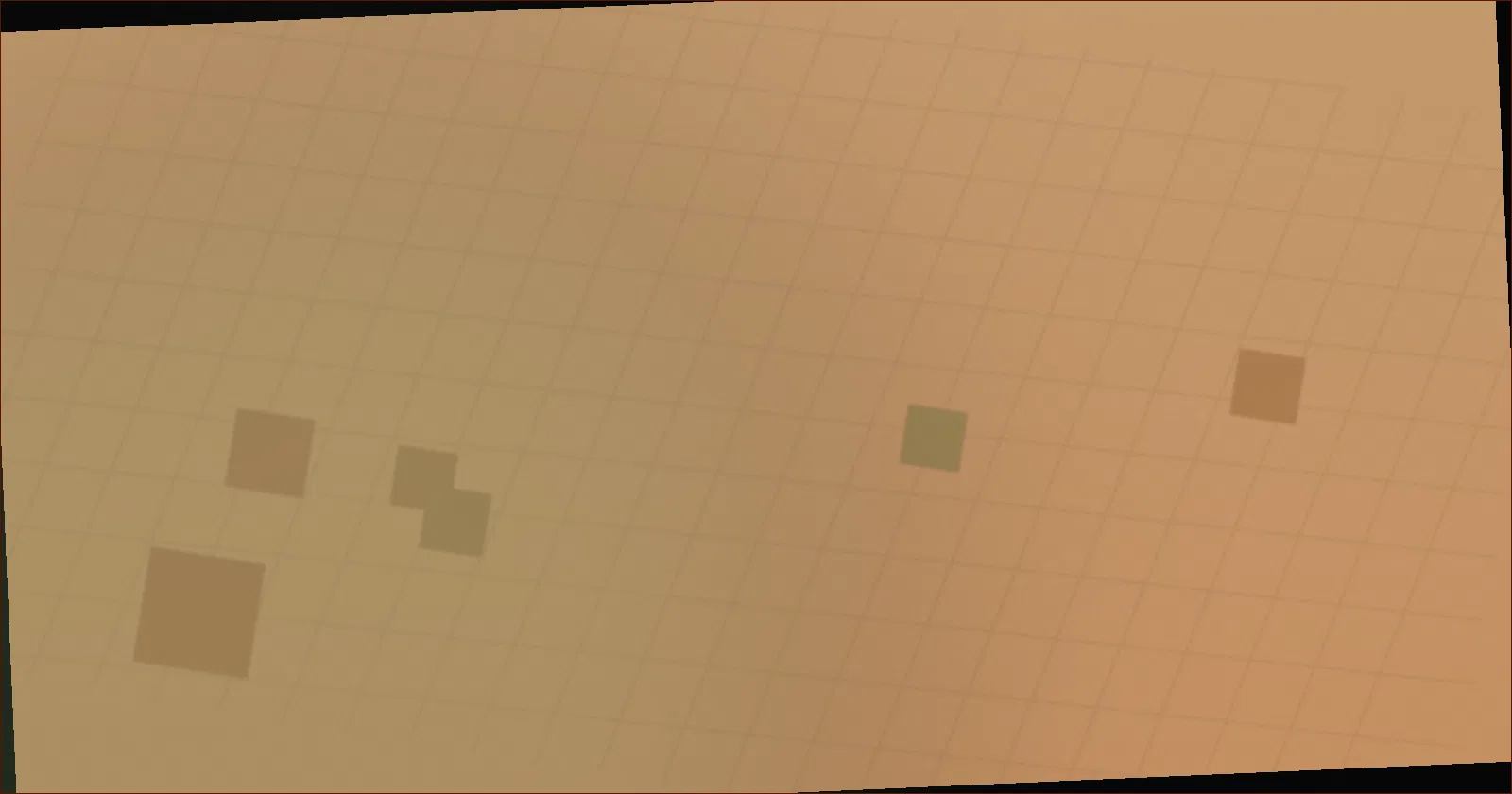
Every game map is covered in names: rivers, hills, settlements, regions, each labelled by someone who decided what to call it. Those choices are rarely neutral. They encode a story about who was here, what mattered, and whose history the world remembers. Looking at how game worlds are named is a quiet way into a far older and more serious question, the long struggle over place names and whose memory a land is allowed to carry.
A Name Is a Claim About the Past
When a map labels a place, it makes a claim that this is what the place is called and, implicitly, who named it. Game worlds do this constantly, and the names they choose tell you whose story the designers centred. The same is true of real maps, which are never simply descriptions but records of who had the power to name. A place name carries a version of history inside it. Noticing that a name is a claim, rather than a fact, is the beginning of understanding why the naming of land has been contested for so very long.
What Gets Erased When a Place Is Renamed
In games, an older name sometimes sits beneath a newer one, hinting at a people who were there before the current label. That layering mirrors a real and painful pattern. When a place is renamed, the earlier name, and the history and language bound up in it, is pushed out of everyday memory. Over generations, the original can vanish from maps entirely, taking a thread of identity with it. Renaming is rarely only administrative; it is a way of deciding whose presence counts. The erasure is quiet precisely because a map looks so ordinary, which is part of what makes it powerful.
Names Carry Language and Meaning
Many original place names are descriptions in a language, telling you about the water, the land, an event, or a relationship to the place. A game that invents evocative names gestures at this, hinting that a name can hold meaning beyond a label. Real Indigenous place names often carry exactly that depth, encoding knowledge of the land and the language of the people who lived with it. To lose the name is to lose the meaning and a piece of the language. Restoring such names is not nostalgia; it returns understanding and keeps a living language present on the land it describes.
Who Holds the Pen Holds the Story
Every game map had an author, someone with the authority to decide the names, and that authority shapes the world players inherit. The history of real mapping is a history of who held that pen, usually those with power rather than those who lived there longest. Whoever names the land writes the story others will read as given. Recognising that maps are authored, not found, reframes them. It invites the question of who was allowed to name, who was not, and what a different author would have recorded. The pen is never neutral, and neither is the map it produces.
Reclaiming a Name as an Act of Memory
In some games, restoring an old name to a place is framed as righting something, acknowledging who was there first. In the real world, communities work to restore original place names for the same reason, as an act of memory and dignity. Bringing back a name returns a story to visibility and tells a people that their presence is recognised on the land itself. It is slow, careful work, often resisted, and it matters precisely because a name on a map carries weight far beyond its few syllables. Reclaiming a name is reclaiming a place in the shared record of who belongs.
The Map Everyone Treats as Truth
A game map is accepted by players as simply how the world is, its names unquestioned. Real maps earn the same unthinking trust, which is exactly why the names on them are so consequential. People rarely ask who chose a place name; they absorb it as fact and pass it on. That trust gives maps enormous quiet power to settle whose history is remembered. Learning to see a map as a set of choices, made by someone with a purpose, rather than a neutral mirror of reality, is what lets people ask whether the right names, and the right memories, are the ones being carried forward.
Remembering Is a Shared Responsibility
The names a game keeps or discards reflect what its makers thought worth remembering, and the same is true of the maps and records a society maintains. Whose place names survive is not decided once and left alone; it is maintained, taught and contested across generations. That makes remembering a shared responsibility rather than an accident. Supporting the restoration and respect of original place names, listening to the communities who carry them, and questioning the maps handed down as truth are all ways ordinary people keep memory alive. A land holds many stories, and which ones endure depends on the care people are willing to give them.
Common questions from players
Why do place names matter so much? Because a name is a claim about who was present and what mattered, carrying history, language and meaning inside it. When names are changed or erased, the stories and identities bound up in them fade from everyday memory, which is why the naming of land has long been contested.
What does restoring an original place name actually achieve? It returns a story to visibility and recognises a people's presence on the land. Many original names also carry language and knowledge about the place itself, so restoring them keeps a living language present and affirms the dignity of the community that carried the name.
Are maps really not neutral? No map is neutral. Every map was authored by someone with the authority to decide its names, usually reflecting who held power rather than who lived there longest. Seeing maps as choices rather than plain facts lets people ask whose memory is being remembered and whose was left out.
The Names We Keep Tell Who We Remember
A game map quietly reveals a serious truth: naming a place is choosing whose history survives. The same choices run through the real maps a society trusts as fact. Questioning who held the pen, supporting the restoration of original names, and treating memory as a shared responsibility are how people keep the fuller story of a land alive.
More in Games
 Games
What Online Game Mod Permissions Teach About Consent in Sharing Culture
Game modding communities built something rare on the open internet, a working ethic of permission.
 Games
What Game Seasonal Resets Teach About Work Never Finished
Live online games increasingly run on seasons, and every season ends with a reset.
 Games
What Game Reputation Systems Teach About Earning Trust
Many online games track your standing with a faction through a reputation system, a slowly filling bar that reflects how a...